Baseboards, Grout Lines and the Other Places Buildup Hides
Most buildup isn't on the surfaces you see every day. It's in the edges, corners and ledges that regular wiping misses.
October 27, 2026 · 4 min read
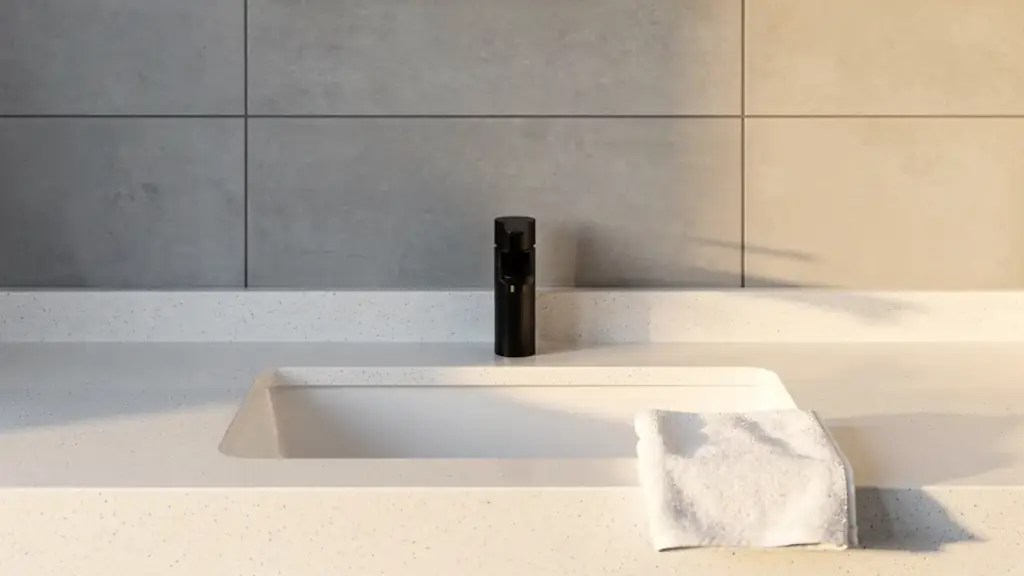
You can clean a house regularly and still find a gray line along the baseboards or a darkened edge in the shower. That doesn't mean the cleaning was poor. Everyday cleaning is aimed at the places hands, feet and plates touch. Buildup collects in the places nobody touches, a little at a time, until it becomes visible. Here's where it hides, and why that affects how a first professional clean should go.
Baseboards
Baseboards sit exactly where dust, pet hair and mop splashes end up. Dust settles on the top edge and the small ledge above it, and floor cleaning pushes grime against the bottom. Because they're low, they're easy to overlook, and because they run the whole perimeter of a room, they add up to a lot of surface. Wiping them once makes an obvious difference, which is why baseboards are called out by name in a deep clean.
Grout lines
Grout is porous and sits slightly below the tile, which makes it a natural catch point for soap residue, moisture and dirt. In bathrooms, darkening along the base of the shower or around the tub usually comes from a mix of soap film and damp. On kitchen and entry floors, mop water carries dirt into the grout lines and leaves it there. Light wiping won't clear this. It takes focused, detailed attention.
Faucet bases and shower glass
Hard water spotting is common across much of the region, and it shows up most on faucets, shower doors and glass. Left alone, minerals build into a crust around the base of faucets and along door tracks. The longer it sits, the more work it takes to remove. Keeping up with it is easy. Catching up after months takes more patience.
Door frames, switches and handles
Hands touch the same few spots all day: light switches, door handles, the edge of doors and the cabinet pulls in the kitchen. Skin oils and kitchen residue build a film that looks like a slightly darker patch around each one. Door frames and the tops of doors collect dust that never gets disturbed.
Behind and around the stove
Cooking leaves a fine film that drifts upward and sideways. It lands on the wall behind the stove, the cabinets near it, the top of the range hood and the knobs and edges of the cooktop. It's thin enough to miss at first, then sticky enough to trap dust. Kitchen detailing in a deep clean is aimed at exactly these areas.
High and low spots that fall out of routine
- Tops of ceiling fan blades, where dust piles up quietly.
- Vent covers and the grilles around them.
- Window tracks and sills, which collect dust and grit from open windows.
- The tops of cabinets and shelves that sit above eye level.
- The edges of rugs and the corners where vacuums can't quite reach.
- The area under and beside furniture you rarely move.
Why your first clean is a deep clean
Here's the reason we usually steer first-time customers toward a deep clean. Regular cleaning is designed to keep a clean home clean. It assumes the baseboards, grout and corners are already in good shape and uses its time to refresh kitchens, bathrooms, floors and surfaces. If those hidden areas have months of buildup, a regular visit leaves them as they were and cleans around the problem.
A deep clean, by contrast, is built to deal with buildup, hard-to-reach areas, baseboards, bathrooms and kitchen detailing, with extra attention through the whole house. It's the visit that brings the home to a true baseline. Everything that follows can then stay lighter and move faster, because each visit is maintaining something clean instead of fighting something neglected.
What this means for Roseville homes
In the Sacramento Valley, dry summers and open windows can bring in fine dust that settles on ledges and into window tracks, and hard water spotting is common on glass and fixtures. These are normal results of living here, not signs of poor housekeeping. They're simply good reasons to start with a deep clean and then put the home on a recurring schedule.
A short plan
- Book a deep clean first if it's your first professional clean, or if the spots above look neglected.
- Move to weekly, bi-weekly or monthly regular cleaning to keep the baseline.
- Book another deep clean if the home goes through a stretch that undoes the baseline, such as a renovation or a long period of travel.
The Deep Cleaning and Regular Cleaning pages cover both options. To talk through your home, call or text us at (916) 833-3316 and ask for a free estimate. Mention which of these spots worries you most, and we'll make sure it's part of the conversation.
Top Cleaning Pro, (916) 833-3316
Call (916) 833-3316More articles
Regular vs Deep Cleaning: Which One Your Roseville Home Needs Right Now
A regular clean maintains a home that's in decent shape. A deep clean resets one that isn't. Here's how to tell which describes yours.
Moving In or Out in Roseville: A Room-by-Room Move-Out Cleaning Checklist
Walk through your empty home one room at a time and you'll know exactly what's left to clean before the keys change hands.